The Master Brewer (Toji)
The late Master Brewer (Tōji) Nishizawa received numerous gold and excellence awards in sake competitions in Nagano Prefecture, across Japan, and internationally. Within the Nagano Prefecture Brewers Association, he was recognized as a master.
Arimichi Kudō, who transferred departments, spent nine years in Nishizawa’s brewing division to inherit Nishizawa’s techniques. In the tenth year, Kudo became the new master brewer as Nishizawa stepped into a supervisory role. In Kudo’s fourth year as Toji, Nishizawa passed away.
Having inherited Nishizawa’s techniques, Toji Kudo continued to earn gold medals in sake competitions both in Japan and abroad. Recently, on September 3, 2025, in his 11th year as a Toji, he was awarded the Nagano Prefectural Governor’s Gold Prize.
Strict Inheritance and Challenges
In an era where sake brewing is becoming increasingly mechanized across Japan, they prioritize handcrafting as much as possible, valuing the intuition of the senses—sight, hearing, smell, taste, and touch. The late Master Nishizawa considered this sensory intuition, which cannot be judged by machine indicators, to be the most important aspect of brewing.
Takizawa: Behind-The-Scenes Story
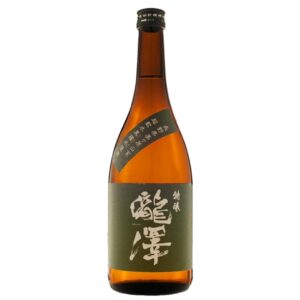
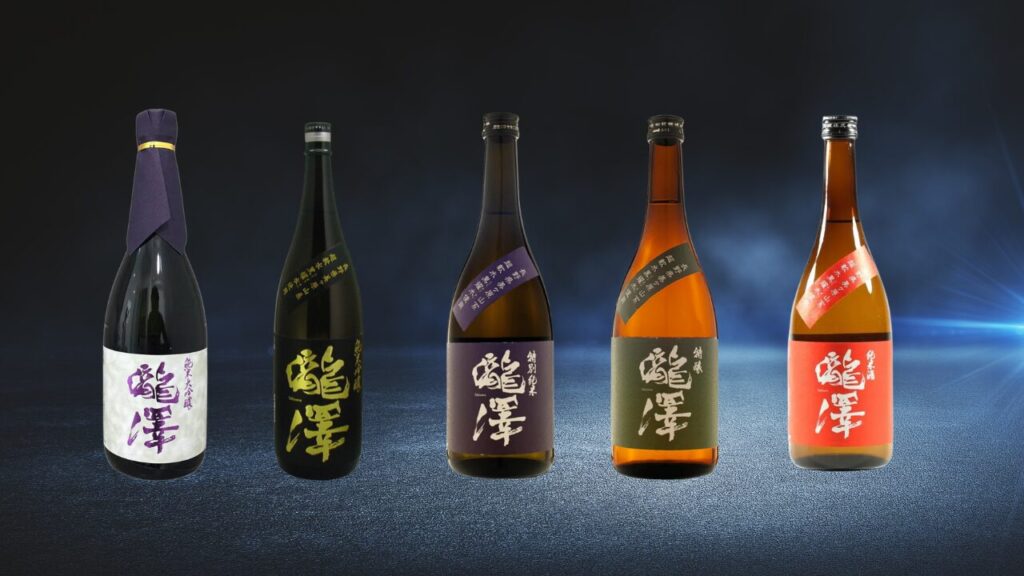
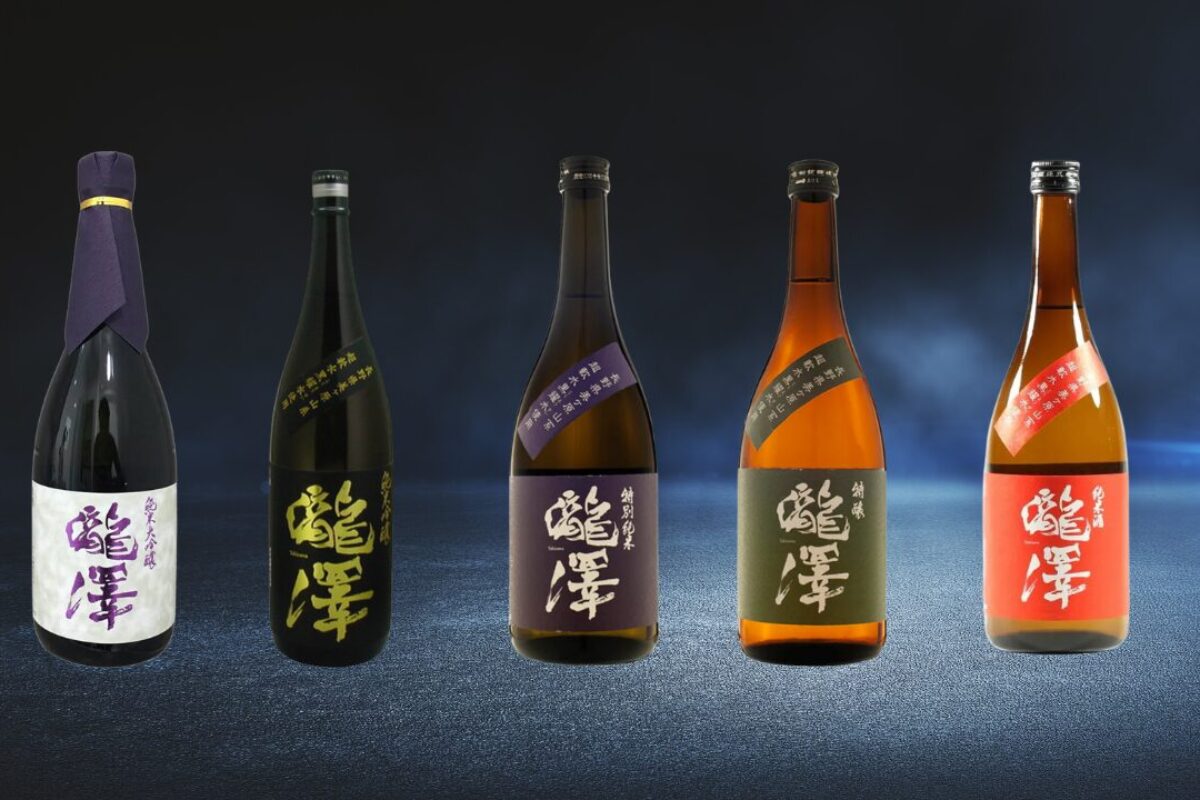
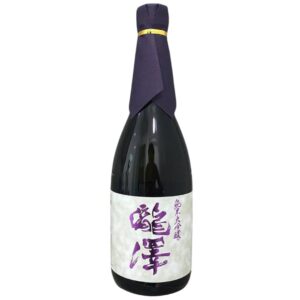
Among Five Takizawa Products: Junmai Daiginjo, Junmai Ginjo, Tokubetsu Junmai, Junmai, and Tokujo (Honjozo), only the Junmai Daiginjo does not contain the ultra-soft water (Kokuyo-sui) .
First of all, because Kokuyo-sui contains very few minerals, it is generally not suitable for brewing—it slows fermentation and makes temperature control more complicated. Although, these are challenges for us, the brewers; however, we believe that using this water as brewing water results in a sake that expresses aroma, mouthfeel, umami, and sharpness with great depth—something that brings smiles to our customers’ faces.
That said, Junmai Daiginjo is a top-tier sake with extremely delicate flavor balance, where even the slightest mistake in control can affect its aroma and taste.
Since Kokuyo-sui is inherently unsuitable for brewing, we judged it too risky to use for such an extreme-level brew as Junmai Daiginjo, and have decided not to use it in that product.
Since the rice polishing ratio is 59%, this sake could technically qualify as a Ginjo sake.
So why is it labeled as Tokubetsu Honjozo instead?
Under the Liquor Tax Law, a polishing ratio of 59% qualifies as Ginjo sake. A 60% polishing ratio means: 100 kg of brown rice – 40 kg of rice bran = 60% (remaining rice).
However, digging it deeper, the polishing isn’t perfectly uniform. There can be grains polished to 58% as well as some closer to 62%.
The president four generations ago had a background in brewing science. He passed down the belief:
“How can we reduce the number of grains that are polished more than 60%? If we aim for 59%, we get closer to the ideal.”
This sake wasn’t made to simply be a Ginjo at 59%. It was made with the philosophy of delivering a delicious Honjozo, not chasing a label.
That belief, “to create something truly enjoyable rather than aiming for a classification” is what led to its designation as Tokubetsu Honjozo.