Hello, sake lovers!
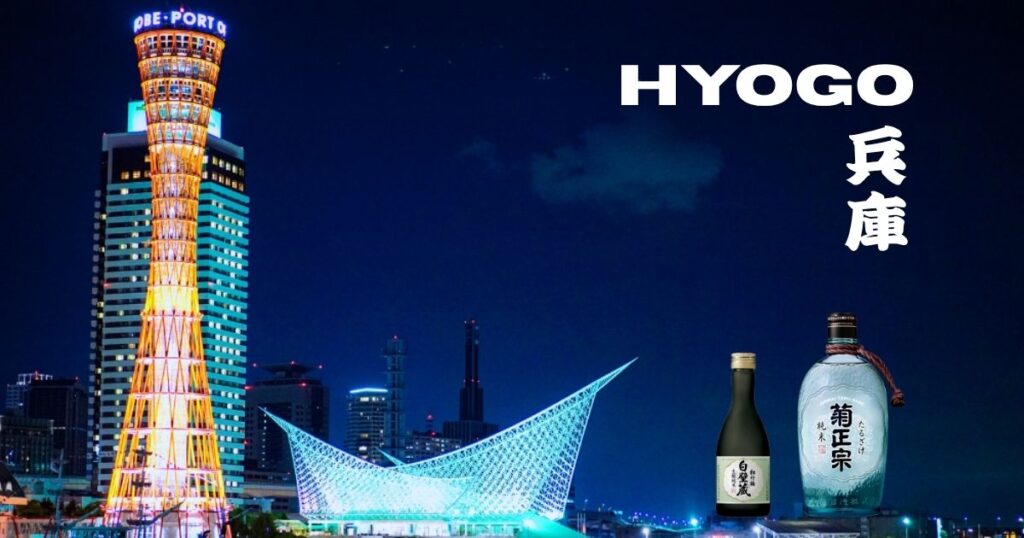
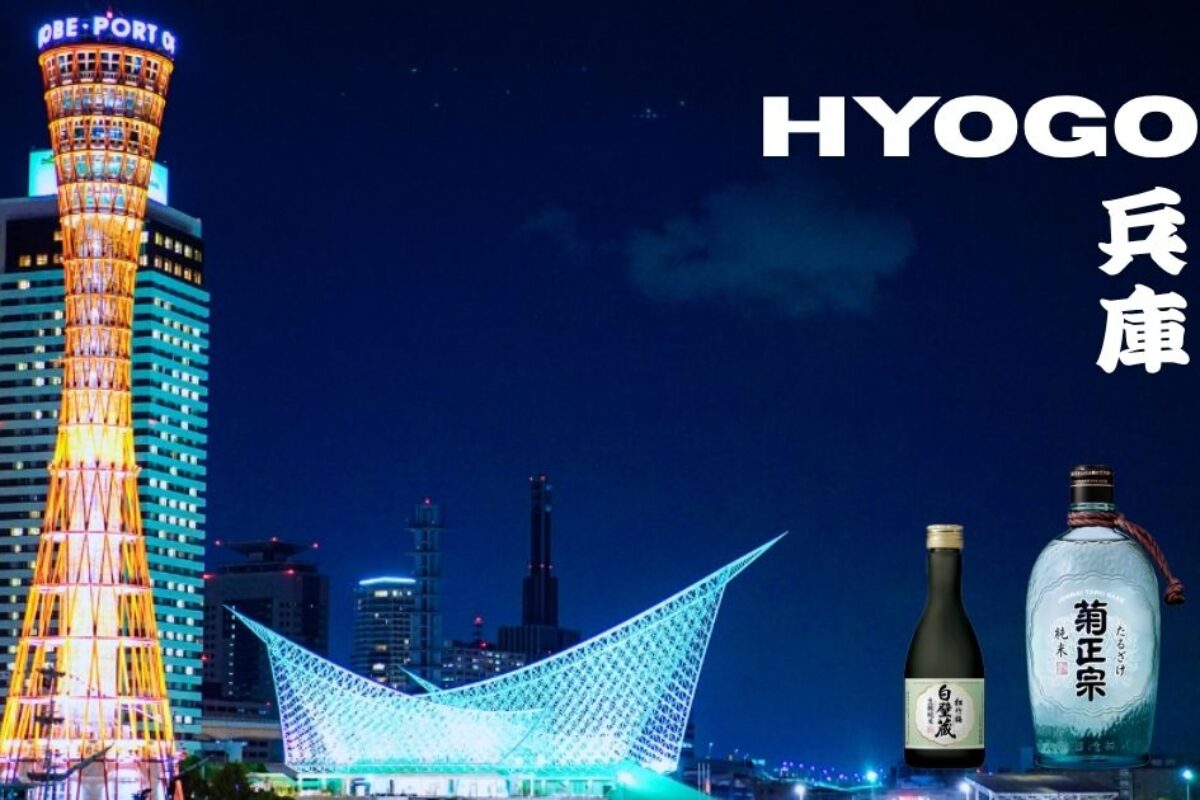
Today we’re exploring Hyogo Prefecture and the unique character of the sake produced there. Japan’s sake styles can vary greatly depending on regional climate, ingredients, and brewing traditions. Hyogo is widely known as one of the country’s most important sake-producing regions.
In this article, we’ll look at why Hyogo’s environment is so well suited for sake brewing and introduce a few brands that are available in British Columbia. By the end, we hope you’ll have a better understanding of what makes Hyogo sake so special.
Hyogo Prefecture is located in the western part of Japan’s Kansai region. One of its most unique features is its geography: it faces both the Sea of Japan in the north and the Seto Inland Sea in the south. In fact, Hyogo is the only prefecture on Japan’s main island that borders both seas.
This diverse geography contributes to the region’s rich agriculture, culture, and of course, its sake brewing tradition.
Why Hyogo is Ideal for Sake Brewing
Hyogo is considered one of Japan’s premier sake regions because three essential elements for brewing—rice, water, and craftsmanship—are all available at an exceptional level.
Rice
At the foothills of Mount Rokko in southeastern Hyogo lies an important agricultural area where high-quality rice is cultivated. This region is especially famous for producing Yamada Nishiki, often called the “king of sake rice.”
Yamada Nishiki is widely regarded as the best rice for brewing sake due to its large grain structure and ideal balance of starch and protein. Hyogo produces more Yamada Nishiki than any other region in Japan, making it a critical supplier for breweries nationwide.
Water
Another key factor is water. About 190 years ago, brewers in the Nada region discovered a special groundwater known as Miyamizu. This water contains abundant minerals that provide nutrients for yeast and koji during fermentation.
Compared with typical Japanese tap water—which averages around 50 mg/L in hardness—Miyamizu measures roughly 100 mg/L, making it relatively hard by Japanese standards. Importantly, it contains very little iron, which can negatively affect the aroma and color of sake. As a result, Miyamizu helps produce clean, well-structured sake with minimal off-flavors.
Craftsmanship
The third element is technique. Brewing in the Nada region has long been led by the Tanba Toji, one of Japan’s three great master-brewer guilds.
These brewers brought generations of knowledge, leadership, and brewing expertise to the region. Historically, people from the Tanba area took great pride in working at Nada breweries, and their influence helped shape modern sake brewing across Japan. Even today, the traditions of the Tanba Toji remain a foundation of Hyogo’s brewing culture.
Geography and Distribution
Beyond ingredients and technique, geography also played an important role in Hyogo’s success as a sake region.
During the Edo period, transporting sake over long distances while maintaining freshness was difficult. However, the Nada region sits along the Seto Inland Sea, making it an ideal hub for maritime trade.
Special cargo ships known as Tarukaisen transported sake in large cedar barrels from Nada to Edo (modern-day Tokyo). Interestingly, the cedar barrels added subtle aromatic notes to the sake during transport.
By the late Edo period, it is said that around 80% of the sake consumed in Edo came from Nada, highlighting Hyogo’s dominance in the market.
Hyogo Sake Available in BC
After learning about Hyogo’s brewing environment, let’s look at a few brands that you can find in British Columbia.
Kikumasamune
Until around the 1960s, sweeter sake styles were widely preferred in Japan. However, Kikumasamune remained committed to producing dry sake, believing that a clean, crisp style that enhances food is the true essence of sake.
The brewery is also known for its traditional Kimoto brewing method, a process that takes about four weeks to naturally cultivate lactic acid bacteria from rice, water, and koji. This results in a structured, clean, and food-friendly sake.
Because Kikumasamune leaves very little residual sweetness on the finish, it pairs well with a wide variety of dishes and encourages the next bite of food.
Sho Chiku Bai
The name Sho Chiku Bai represents pine, bamboo, and plum—three symbols of celebration and good fortune in Japanese culture. For generations, this sake has been associated with festive occasions such as New Year celebrations and ceremonies.
The brand also produces Mio, a sparkling sake infused with carbonation, offering a lighter and more approachable style for modern drinkers.
Final Thoughts
Now that you’ve learned about Hyogo Prefecture and the factors that make its sake so distinctive, the next step is simple—try it for yourself.
With its world-class rice, mineral-rich water, and centuries of brewing expertise, Hyogo continues to produce some of Japan’s most respected sake.
Next time you visit a liquor store or Japanese restaurant in BC, consider choosing a bottle from Hyogo. It may just become a new favorite in your sake journey.