Hello, sake lovers! How is your sake journey going?
If you’re looking for a way to elevate your sake experience, one useful hint is to explore Japan’s famous sake regions. Each area produces sake with its own unique style shaped by local geography, culture, and tradition.
Today, we’re focusing on Kochi Prefecture and the distinctive character of its sake. By the end of this article, we hope you’ll gain a better understanding of Kochi’s brewing culture and why its sake has developed such a strong reputation in Japan.
About Kochi Prefecture
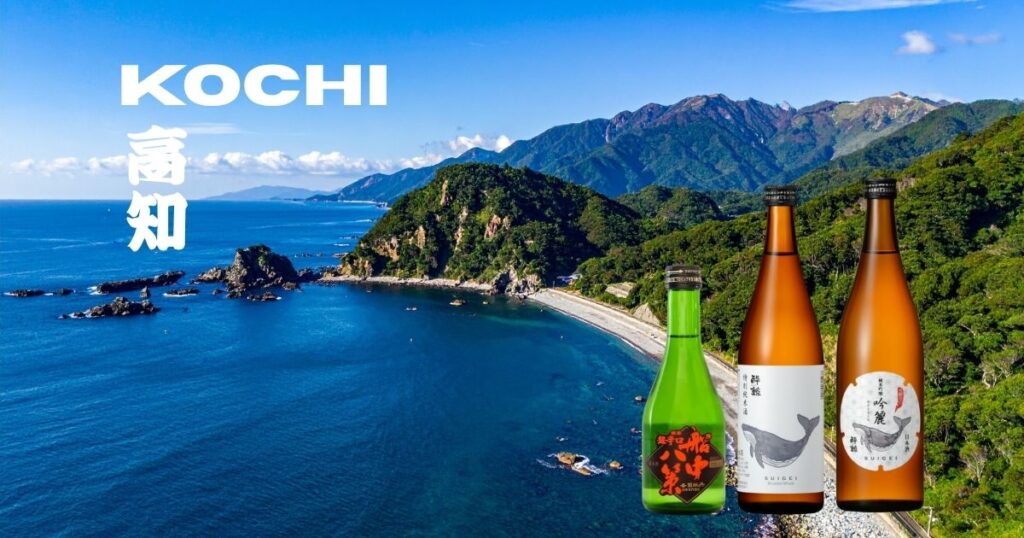
Kochi Prefecture is located on the southern side of Shikoku Island, the smallest of Japan’s four main islands. About 84% of the prefecture is covered by forests, giving the region abundant natural resources and a rich ecosystem.
Geographically, Kochi enjoys a relatively warm climate. Warm ocean currents flowing along the southern coast bring mild sea breezes, while the Shikoku Mountains to the north help block cold winter winds. As a result, Kochi is considered one of the warmer regions in Japan.
The Cultural Foundation of Kochi Sake
Is Kochi Unsuitable for Sake Brewing?
Interestingly, Kochi’s warm climate is not traditionally ideal for sake brewing. Sake fermentation generally benefits from colder environments where the process can proceed slowly and steadily.
Warmer temperatures make fermentation management more difficult and increase the challenge of controlling microorganisms during brewing. Given these conditions, you might wonder: how did Kochi become one of Japan’s notable sake regions?
A Culture of Sharing Food and Drink
The answer lies partly in Kochi’s strong drinking culture.
For generations, Kochi has maintained a tradition called “Okyaku,” large communal gatherings where neighbors and friends come together to eat and drink. At these events, people enjoy Sawachi cuisine, a local specialty served on large platters about 36–39 centimeters wide. These platters are filled with a variety of foods such as sashimi, sushi, and fruit, often arranged in a bold and festive style.
Because Kochi is surrounded by mountains, rivers, and the sea, the region offers an incredible diversity of ingredients. This variety is reflected in Sawachi cuisine, which in turn encourages the development of different sake styles that pair well with many dishes.
In this way, Kochi’s lively dining culture has played an important role in shaping its sake industry.
A Region That Continues to Innovate
Cultural demand alone did not stop Kochi brewers from pushing further. To create even better sake, the region has also invested heavily in research and innovation.
Kochi has conducted several unique experiments involving yeast, a key component in sake fermentation. In one project, yeast was sent to the International Space Station for ten days for cultivation research. In another experiment, multiple yeast strains were placed 6,000 meters deep in the ocean to identify varieties that could survive extreme pressure and low temperatures.
Researchers at Kochi University have also developed advanced analytical techniques that measure alcohol and surrounding components simultaneously. This technology helps brewers identify yeast strains that are especially effective for sake production.
Kochi Sake Available in BC
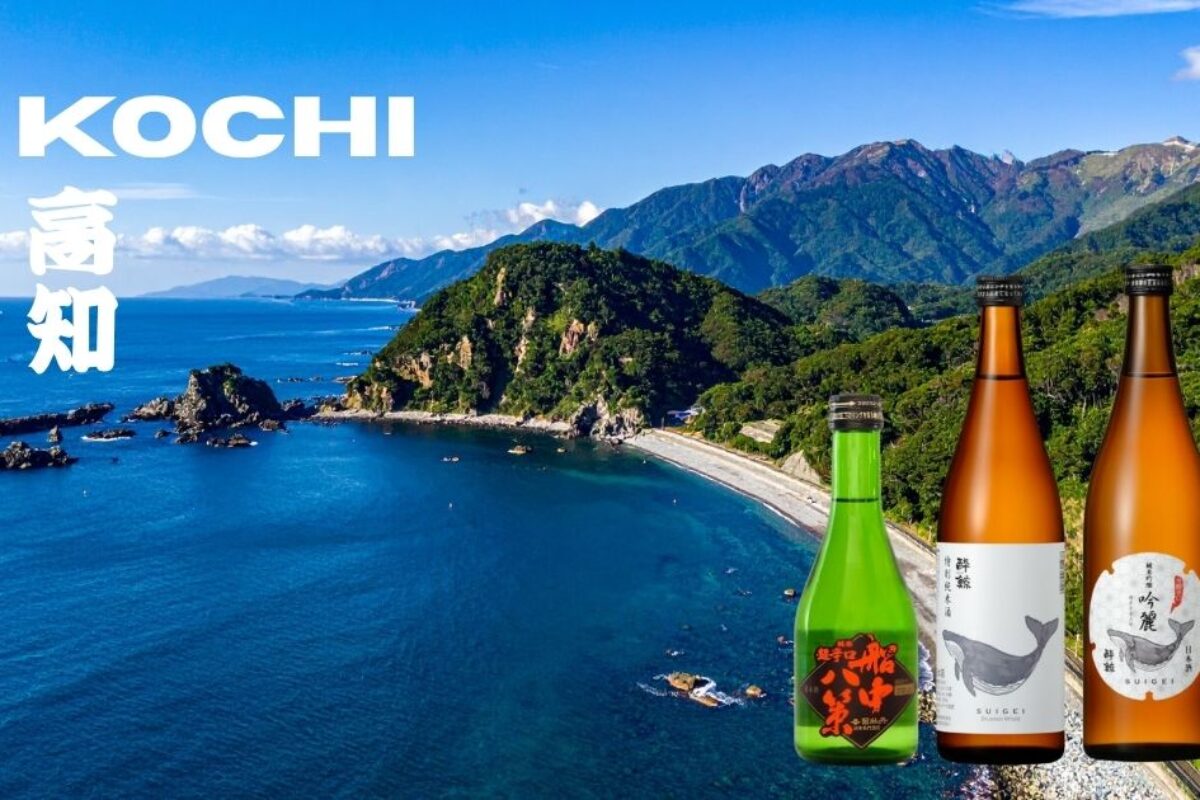
Now that we’ve explored Kochi’s brewing environment, let’s look at two sake brands from the region that can be found in British Columbia.
Suigei
The name Suigei comes from a historical reference to a leader from Kochi who loved sake and likened himself to a whale floating in Tosa Bay.
The brewery is known for its attention to detail, using carefully selected ingredients and even spring water from the Kagami River to wash brewing equipment. The local water source contains very little iron or manganese—elements that can affect the color of sake—resulting in a clean, crisp finish.
Senchu Hassaku
Senchu Hassaku takes its name from a famous political vision proposed by the Kochi-born reformer Sakamoto Ryoma.
Reflecting this progressive spirit, the sake is known for its very dry style and full-bodied character, sometimes compared to wine. Because Kochi’s drinking culture values sake that pairs well with food, the brewing process is designed to keep glucose levels low, reducing sweetness and allowing the sake to complement meals from start to finish.
Final Thoughts
What did you think of Kochi’s sake story?
Although the region may not have the ideal climate for brewing, Kochi has developed a remarkable sake culture through its strong communal traditions and ongoing scientific research.
Now it’s your turn to experience it. The next time you’re browsing a liquor store or planning a menu, consider exploring a bottle of sake from Kochi—and discover how culture and innovation can shape the taste of a region.