Hello, sake lovers! Are you enjoying your sake journey?
Today we’re exploring Nara Prefecture, a region often considered one of the oldest birthplaces of Japanese sake culture. While many sake regions in Japan are famous for climate or rice production, Nara stands out for something different—history.
In this article, we’ll look at why Nara holds such an important place in the story of sake and how its traditions continue to influence modern brewing.
Nara Prefecture and Sake

Nara Prefecture sits near the center of the Japanese archipelago and is notable for being landlocked, with no coastline. Despite this, it holds a special place in Japan’s drinking history.Historical records from around the 3rd century suggest that people in the region were already drinking alcohol.
These early texts describe how communities gathered to drink sake during important life events, including mourning ceremonies. This shows that even in ancient times, alcohol played a meaningful role in social and cultural traditions.
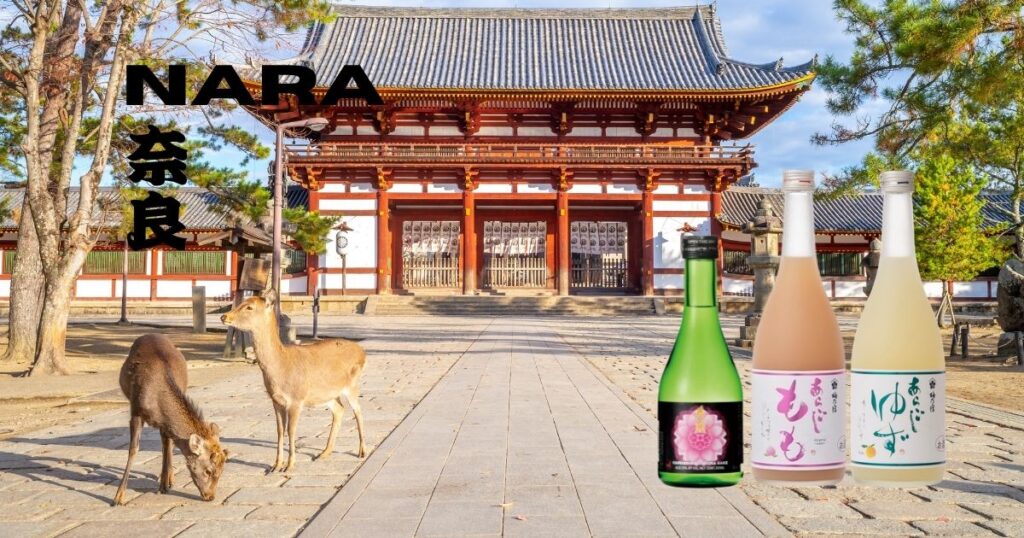
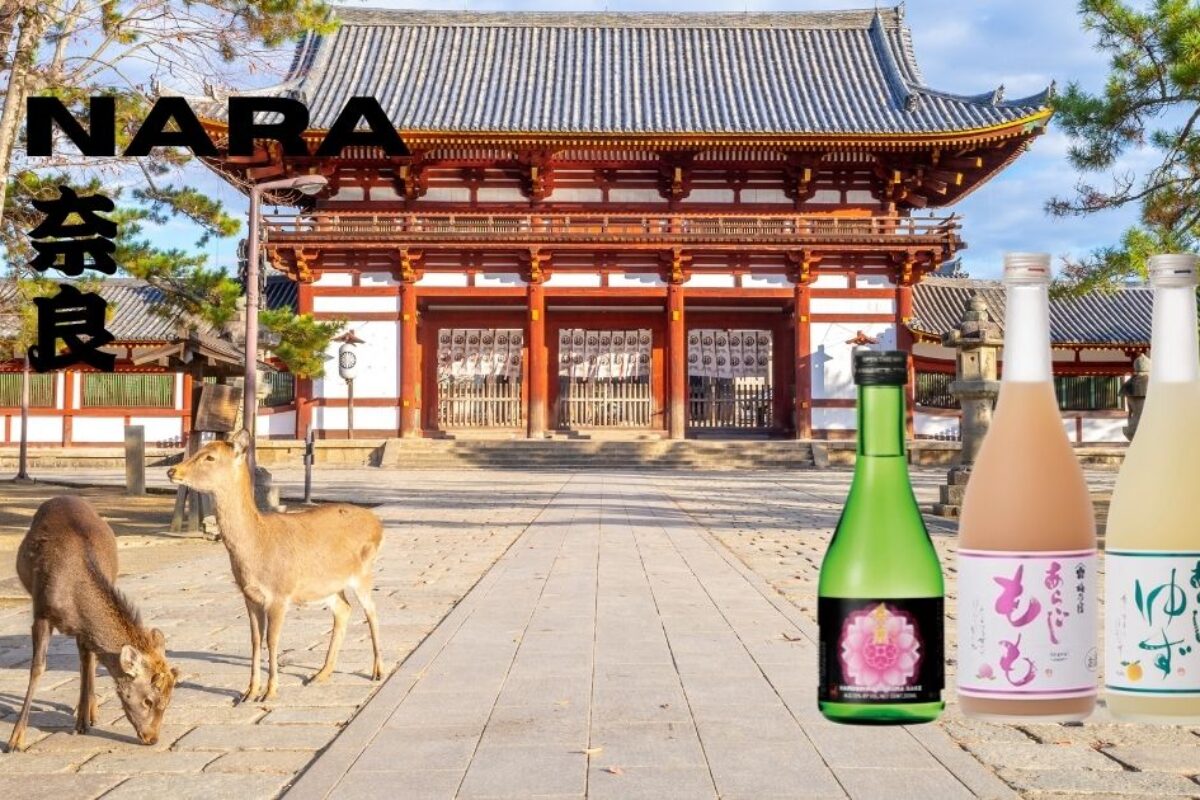
Nara is also famous for its many temples and shrines, which attract visitors from around the world. Today the region is often considered a spiritual destination or “power spot.” Many people may also recognize Nara for its freely roaming deer around historic temple grounds.
Temples and the Origins of Sake
Because Nara is known for its temples, it’s no surprise that religion and sake are closely connected here.
In earlier periods of Japanese history, sake production was not led by commercial breweries. Instead, temples played a central role in brewing. Sake was used during religious ceremonies and festivals, but the relationship between temples and sake also had economic roots.
Under the historical shoen land system, temples owned large agricultural estates. To support the maintenance of these religious institutions, rice grown on temple lands was often used to produce sake, which could then generate income for the temple community.
This system helped establish brewing techniques that would later influence the entire sake industry.
Key Terms in Nara Sake
Two important concepts help define Nara’s contribution to sake history.
Bodaimoto – Developed during the Muromachi period at Bodaisan Shoryakuji Temple, this method is considered one of the earliest sake fermentation techniques. It uses water rich in lactic acid bacteria, which helps stabilize fermentation. Sake made with this method can have a refreshing acidity sometimes compared to yogurt-like brightness.
Morohaku Brewing – Also believed to have emerged during the Muromachi period, this technique involves using polished rice for both the koji rice and the main brewing rice. This method later became the foundation for modern sake brewing practices.
Nara Sake Available in BC
If you’re curious to experience Nara sake yourself, here are two brands that can be found in British Columbia.
Harushika
Harushika continues the tradition of Morohaku-style brewing, emphasizing carefully polished rice and water filtered specifically for brewing.
The brewery is known for pursuing clean, crisp sake with a sharp finish. It is also credited with being one of the first producers to popularize the label “Super Dry.” Rather than simply tasting strong, this style highlights a light mouthfeel and refreshing finish that pairs well with food.
Umenoyado
Umenoyado represents a different direction for Nara sake. Led by a fifth-generation female owner, the brewery aims to create new sake culture while respecting tradition.
One of its most famous products is the Aragoshi series, a sake-based liqueur line. Instead of fully filtering fruits like apple, peach, or plum, the brewery leaves some pulp in the drink, creating a rich texture that feels almost like biting into fresh fruit.
Final Thoughts
As we’ve seen, the story of Nara sake is shaped not only by geography but also by culture, religion, and history.
Regional differences in sake are often explained through climate or rice varieties, but Nara reminds us that tradition and social customs can be just as influential.
Now it’s your turn to explore. Visit a local liquor store or Japanese restaurant in BC and discover the unique character of Nara sake for yourself.