A Peek into Japan’s Theatrical World
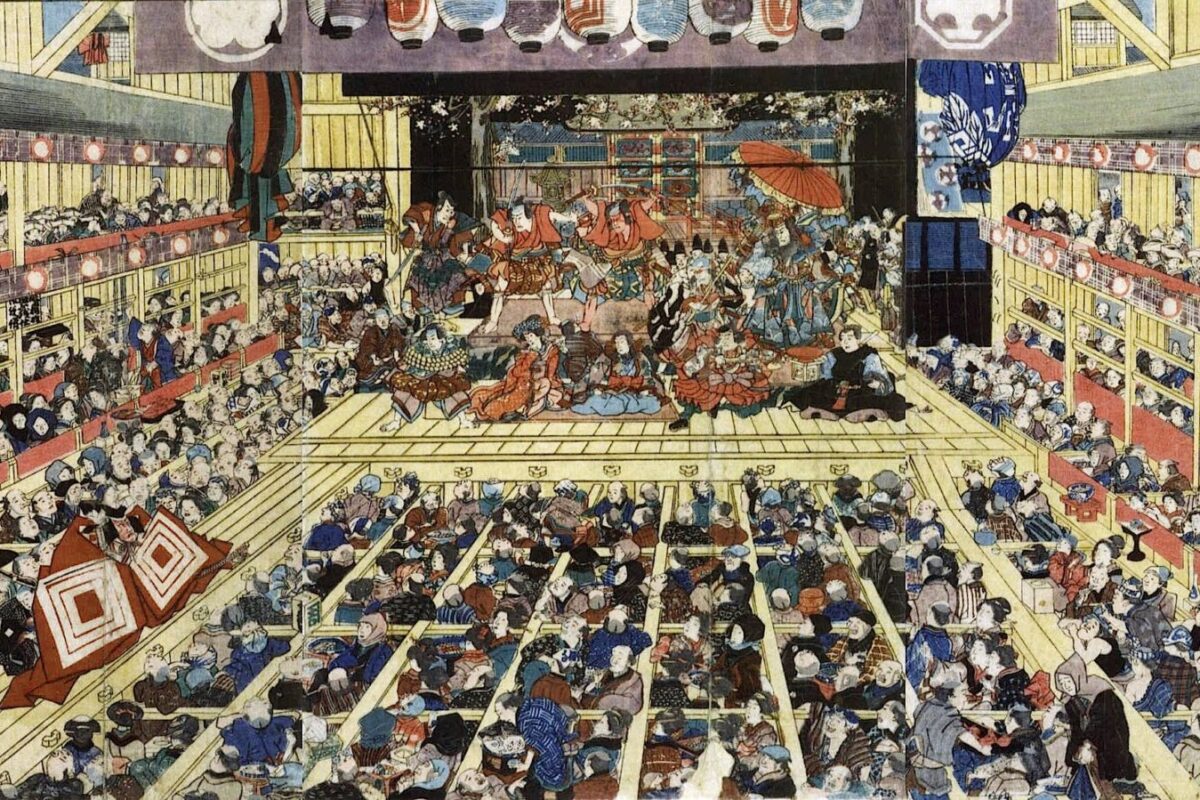
“Kabuki” is one of Japan’s most famous traditional performance, known for its detailed costumes, dramatic acting, and intense stories. For over 400 years, Kabuki has been captivating audiences with its mix of music, dance, and drama. Starting in the Edo period, Kabuki has grown into a highly respected art form that still plays a big role in Japanese culture today.
Let’s take a look into the world of Kabuki
How did Kabuki Start?
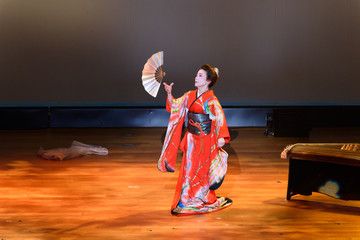
Kabuki began in the early 1600s, thanks to a shrine maiden named “Izumo no Okuni”. She started performing a new kind of dance-drama in Kyoto, which quickly became popular because of its bold and expressive style. At first, only women performed Kabuki, but later, women were banned from the stage due to moral concerns. This led to male actors taking over both male and female roles, giving rise to the “onnagata,” male actors who specialize in female roles—a unique feature of Kabuki that still exists today.
What Makes Kabuki Special?
One of the most eye-catching things on Kabuki is its visual appeal. Actors wear fancy costumes and put special makeup called “keshō” that helps bring out their characters’ personalities and emotions. The makeup is often exaggerated with bold lines and bright colors, especially for characters who are supernatural or heroic. The costumes are also luxurious, made from rich fabrics, and often have detailed designs that show the character’s status, job, and personality.
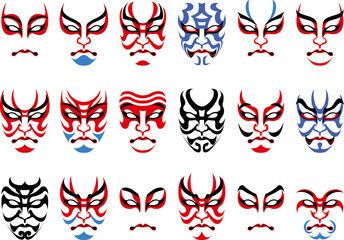
Kabuki performances are known for dramatic poses called “mie,” where actors freeze at key moments to show a character’s deep emotions. These poses are usually highlighted by rhythmic clapping, adding to the drama. The performances also feature traditional music played on instruments like “shamisen” (a three-stringed lute) and “taiko” drums, creating an atmosphere that takes the audience back in time.
One of the famous Kabuki Stories
Kabuki plays cover many themes such as historical events, legends, and tales of love, betrayal, and revenge. “Kanadehon Chūshingura,” which tells the story of the 47 Ronin, and “Yoshitsune Senbon Zakura,” a story about the legendary samurai Yoshitsune are famous Kabuki plays. These plays often explore the complexities of human nature, morality, and the consequences of one’s actions, making Kabuki both entertaining and thought-provoking.
Enjoy your special night with Japanese Beer
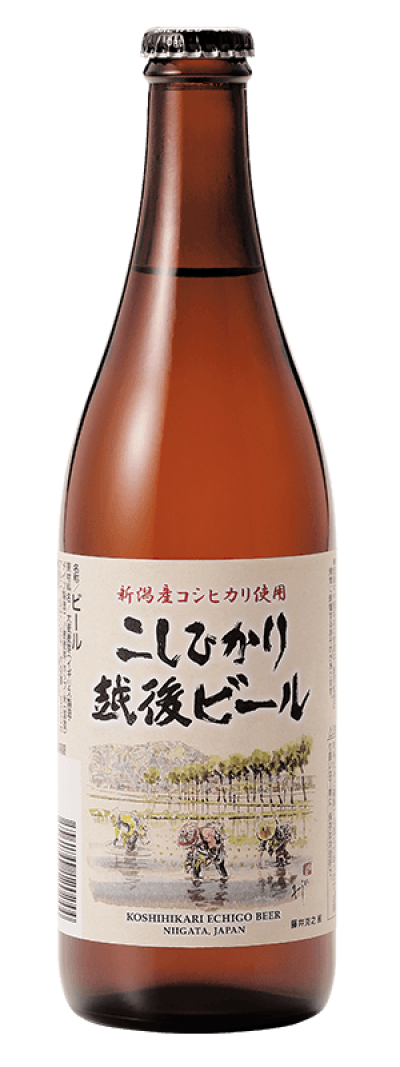
+72116 ECHIGO KOSHIHIKARI RICE LAGER
Watching a Kabuki performance is an experience that engages all your senses. To make it even better, try a bottle of Japanese beer afterward. A beer like ECHIGO KOSHIHIKARI LAGER, known for Rice lager made with Niigata Prefecture’s celebrated Koshi Hikari rice. Has fine and persistent carbonation, and a clean, crisp flavor from the super premium rice. Using the Decoction method, Echigo Brewery maximizes the flavor from the rice and malt. Its light and slightly sweet taste can enhance the emotions you feel after Kabuki, making it an ideal companion for a night of traditional Japanese theater.
In conclusion, Kabuki is a fascinating glimpse into Japan’s cultural heritage, blending art, history, and entertainment in a way that continues to captivate audiences today. Whether you’re already a fan or new to this art form, Kabuki offers an unforgettable journey into the heart of Japanese tradition.
Kabuki has been performed in Vancouver in the past as well. If you’re interested, check it out using the link below.
Cinema Kabuki 2019 Vancouver | Consulate-General of Japan in Vancouver (emb-japan.go.jp)