Welcome to the world of Japanese Sake Brewing
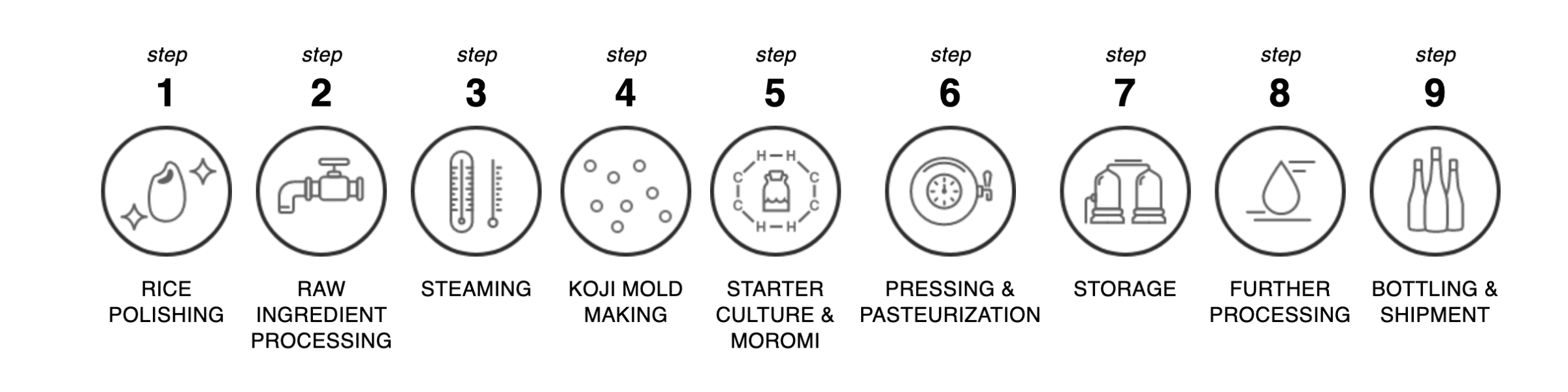
Sake, often referred to as Japanese rice wine, is an emblem of Japan’s cultural heritage and a unique brewing process. Sake production is a unique step between brewing and winemaking, resulting in a beverage celebrated for its clean flavours and complex aromas. In this blog, we dive into the interesting steps involved in making sake, highlighting how each phase contributes to its distinct flavour and quality.
cited from https://www.asahi-shuzo.co.jp
Selecting and Polishing the Rice
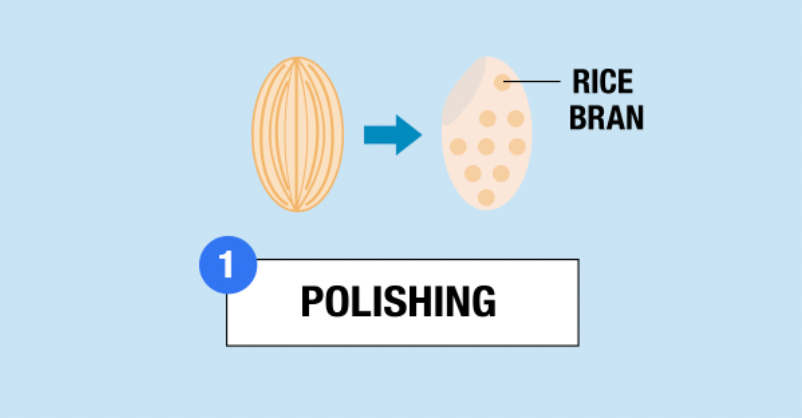
The journey begins with selecting the ideal rice variety. Unlike the short-grain varieties used in everyday cooking, sake brewing relies on special “sakamai(酒米)” rice. Sakamai has lower in protein and higher in starch compared to table rice. Protein can introduce unwanted flavours and cloudiness, while starch is essential for sugar production during fermentation. The rice is then polished to remove the bran to eliminate proteins and fats which can ruin the sake’s flavour and clarity. Skilled artisans, known as “togishi(研ぎ師),” delicately remove the outer layers of the rice grain using abrasive stones. The degree of polishing is crucial: the more the rice is polished, removing more of the outer layers, the finer and often more delicate the resulting sake will be. This can range from 30% removal (Honjozo sake, 本醸造酒) to more than 50% (Daiginjo sake, 大吟醸酒), which profoundly impacts the taste and classification of the sake.
cited by kikusui-sake.com
Washing and Soaking
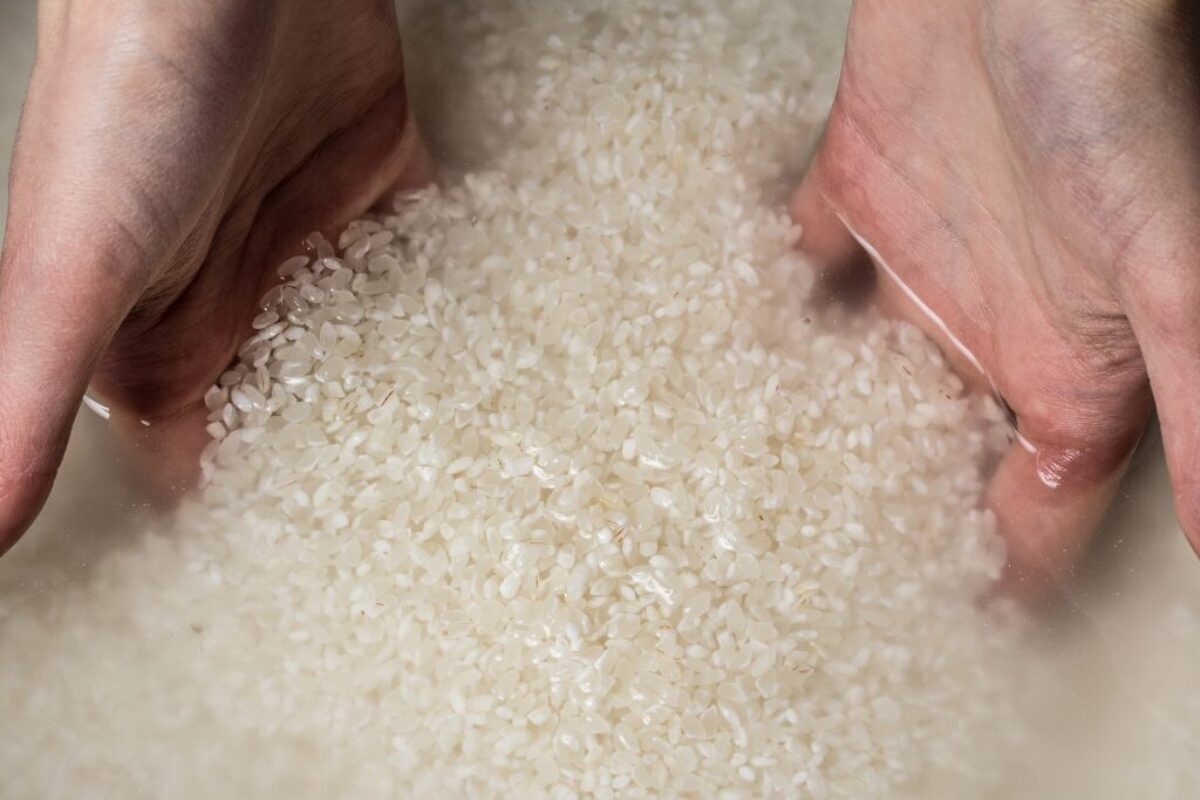
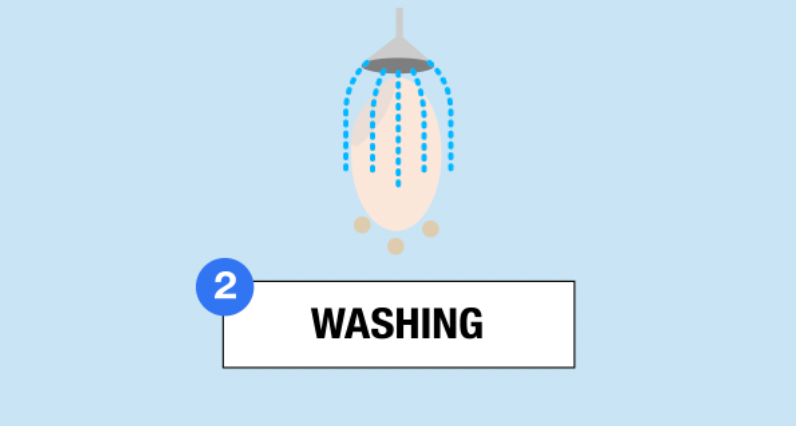
After polishing, the rice must be washed and then soaked. The duration of soaking varies depending on the type of sake being produced. The grains need to absorb the right amount of water. The precision in soaking time affects the rice’s final moisture content, which in turn influences the fermentation process.

cited by kikusui-sake.com
Steaming the Rice
The washed and soaked rice is steamed, not boiled. Steaming is preferred as it cooks the inside of the rice grains more softly, ensuring they remain outside firm enough to withstand the subsequent fermentation steps. This method helps maintain the structural integrity of the rice, which is essential for the koji to effectively convert starches into fermentable sugars.
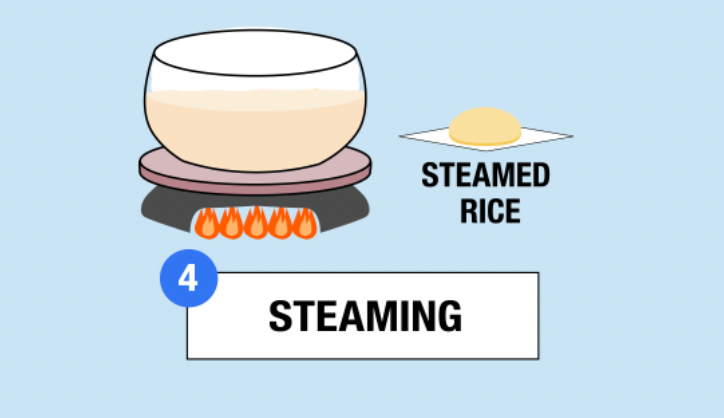
cited by kikusui-sake.com
The magical process of Japanese Sake Brewing is continuing
The rest of process is on the next blog.